
Blog

What Home Remodeling Upgrades Provide the Most Practical Benefits for Everyday Living
The home remodeling upgrades that provide the most practical benefits for everyday living are those that optimize room layout, expand functional storage, and modernize high-traffic zones like kitchens and bathrooms. By prioritizing open-concept workflow adjustments,...
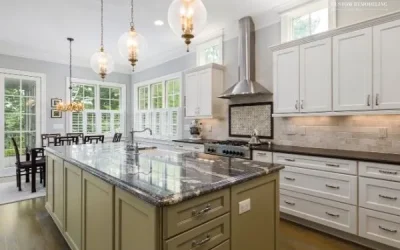
How Can Kitchen Remodeling Maximize Storage Without Making a Small Kitchen Feel Crowded
Kitchen remodeling maximizes storage in a small space without feeling crowded by leveraging full-height vertical cabinetry, integrating streamlined pull-out storage solutions, and using visual tricks like light color palettes and seamless handleless fronts. By...
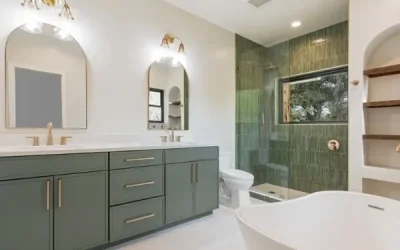
How Does Bathroom Remodeling Improve the Layout and Function of a Small Bathroom
Bathroom remodeling improves the layout and function of a small bathroom by optimizing floor space, upgrading fixtures to space-saving models, and introducing built-in storage solutions. By reconfiguring structural placement and incorporating frameless glass or pocket...
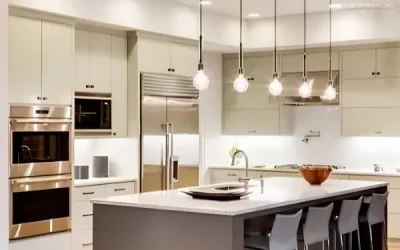
How Can Kitchen Remodeling Maximize Storage in a Small or Narrow Kitchen
Kitchen remodeling maximizes storage in a small or narrow kitchen by utilizing vertical space, optimizing cabinet interiors, and selecting multi-functional layout designs. Homeowners can capture significantly more usable rooms without expanding their physical...

How Do You Choose the Right Materials for a High-Use Home Remodeling Project
To choose the right materials for a high-use home remodeling project, you must balance mechanical durability, moisture and chemical resistance, and long-term maintenance needs against your daily routine. Prioritize non-porous surfaces, high and heavy-duty wear layers...
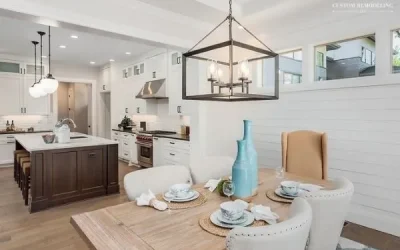
What Should Homeowners Prioritize First When Planning a Kitchen Remodeling Project
When planning a kitchen remodeling project, homeowners should first define their lifestyle needs, functional workflow, and investment range before selecting aesthetic finishes or making layout changes. Securing an experienced remodeling contractor early in the process...
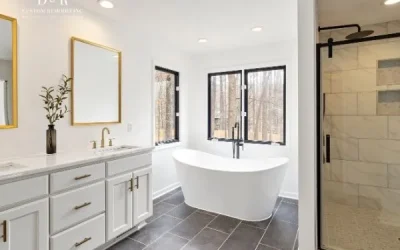
How Does Bathroom Remodeling Improve Daily Functionality and Home Value
Bathroom remodeling significantly enhances daily functionality by optimizing layout efficiency, upgrading plumbing fixtures, and maximizing storage, while simultaneously boosting long-term equity and property resale value. A strategic renovation eliminates morning...
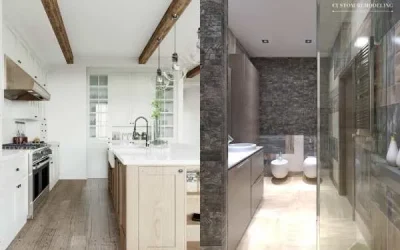
What Are the Most Important Design Considerations Homeowners Should Prioritize During a Kitchen & Bathroom Remodeling Project
When planning a kitchen and bathroom remodel, homeowners should prioritize spatial functionality and layout efficiency, high-durability moisture-resistant materials, and adaptable lighting and storage solutions. Balancing these core elements ensures long-term...

What Does Bathroom Remodeling Include When Updating Fixtures, Flooring, Lighting, and Storage
A bathroom remodel focused on updating fixtures, flooring, lighting, and storage includes replacing plumbing trim, installing waterproof substrates and floor coverings, adding layered LED illumination, and installing custom cabinetry. Beyond surface finishes, the...

How to Reconfigure a Functional Kitchen Layout in House Remodeling
Reconfiguring a functional kitchen layout requires mapping your daily cooking workflow around optimized task zones such as storage, prep, cooking, and cleanup while preserving a minimum clearance of 42 to 48 inches in main walkways. Homeowners must balance structural...