
The timeline for a home renovation varies depending on the project’s size, scope, and complexity. While a full remodel can take anywhere from six months to a year or more, understanding the average duration of major house renovation projects helps you plan effectively. When asking “how long does a major house renovation usually take?” you must account for phases like design, permitting, and structural work. To ensure everything stays on schedule, establishing a consistent rhythm for renovation progress updates with your contractor is essential for tracking milestones and managing expectations. By focusing on the process and factors that influence these timelines, you can better incorporate energy-efficient upgrades and cost-effective additions to maximize your home’s potential.
How Long Does It Usually Take to Complete a Whole-House Renovation in Austin?
The timeline for Austin home renovations can be influenced by several factors, including the size of your home, the scope of the project, and even local permitting regulations. Here’s a breakdown of what affects the timeline and how long you can expect each stage to take:
Factors Affecting the Timeline
- Size and Scope of the Renovation: A smaller remodel, like updating a kitchen or bathroom, may only take a few months. However, if you plan to add rooms, change the structure, or overhaul major systems, the timeline can stretch significantly.
- Condition of the Home: Older homes may require more time for essential repairs, such as updating plumbing, electrical work, or structural reinforcements, before the aesthetic work can begin.
- Permits and Inspections: Austin’s building codes and permitting processes can add time to your project, especially for structural changes or larger-scale renovations.
Typical Renovation Timelines
- Minor Renovations (e.g., kitchen or bathroom remodel): 3-6 months.
- Major Renovations (e.g., adding rooms or structural work): 6-12 months.
- Full Home Renovation (e.g., complete overhaul of all spaces): 9-18 months.
Stages of a Renovation Project
- Planning and Design: The planning and design phase typically lasts about 4-6 weeks. During this time, you’ll work with architects or designers to map out the project, and permits will be obtained.
- Demolition and Prep Work: After the planning phase, expect about 1-2 months for demolition and preparation. This phase includes tearing down old materials and prepping the site for new construction.
- Construction and Building: The construction phase is the bulk of the project and can take 3-9 months. This includes structural changes, electrical work, plumbing, and the installation of systems like HVAC.
- Final Touches and Inspections: The final phase, which typically takes 1-2 months, includes painting, flooring, and other finishes, along with inspections to ensure everything is up to code.
Tips for Staying on Schedule
- Hire a qualified contractor who has experience in managing renovations in Austin.
- Expect some unexpected delays, but ensure good communication with your contractor to stay informed.
- Allow for some flexibility in your timeline to accommodate issues like permit delays or supply shortages.
Real-Life Experience
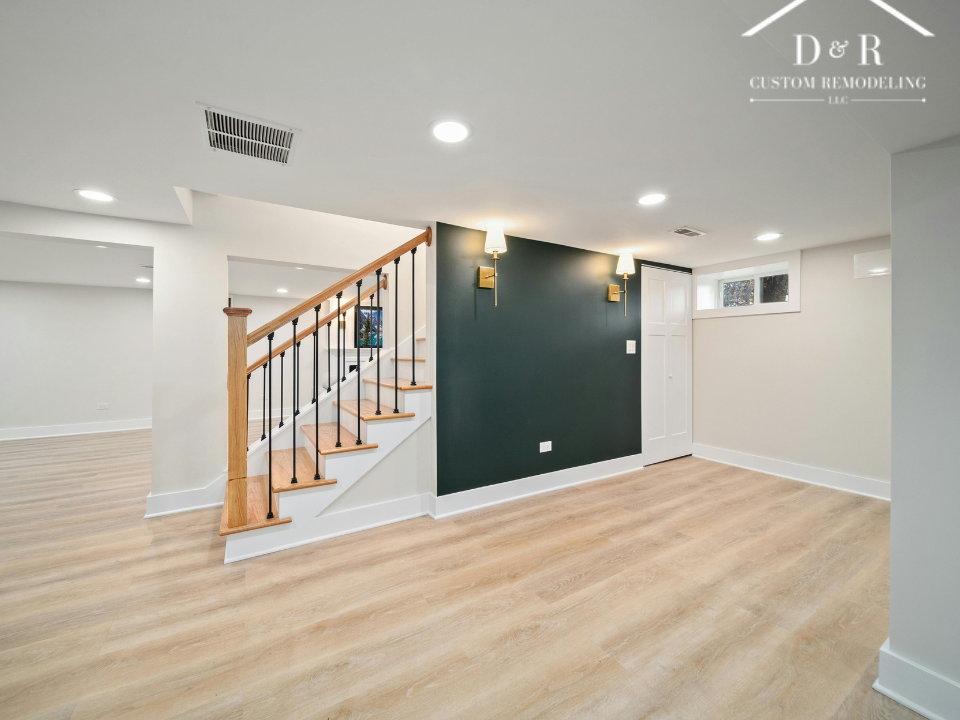
Take it from Jeff Cline, a satisfied homeowner who recently worked with D&R Custom Remodeling for his whole-house renovation. Jeff and his family renovated their home in South Austin, where they opted to install energy-efficient windows and a high-SEER HVAC system to cut down on cooling costs during the intense summer months. From the initial consultation to the final completion, Jeff experienced nothing but professionalism. He shared, “What a great experience working with D&R Custom Remodeling. From the first point of contact to the completion of the job, it was 100% professional. We were very pleased with the craftsmanship and attention to detail on our home remodeling. I will highly recommend using them, and I will definitely use them in the future.” Jeff’s experience is a testament to the high-quality service and seamless process that D&R Custom Remodeling offers for house remodeling in Austin, TX.
How Can I Incorporate Energy-Efficient Upgrades Into My Home Renovation in Austin?
Energy-efficient upgrades are an excellent way to save on utility bills while also making your home more sustainable. Austin’s warm summers and high cooling costs make these upgrades especially valuable. Here are some energy-efficient improvements that you can consider during your house remodeling in Austin, TX:
Why Energy Efficiency Matters in Austin
In Austin, where summer temperatures can soar, making your home energy efficient not only reduces your carbon footprint but also helps keep your cooling costs under control. Whether you’re planning minor updates or a complete renovation, energy-efficient upgrades can lower monthly expenses and improve comfort.
Energy-Efficient Upgrades to Consider
- Insulation: Proper insulation in your walls, attic, and floors can help regulate your home’s temperature and reduce your energy bills. It’s an affordable way to enhance your home’s energy efficiency.
- Windows: Replacing old windows with energy-efficient double-glazed or Low-E glass windows will improve insulation and prevent heat transfer.
- HVAC Systems: Upgrade to an energy-efficient HVAC system to cool your home more effectively. Consider a smart thermostat to optimize heating and cooling based on your usage patterns.
- Solar Panels: Install solar panels to reduce your reliance on electricity from the grid. Austin Energy offers rebates to help offset the initial investment.
- Water-Saving Fixtures: Low-flow toilets, faucets, and showerheads reduce water consumption and lower utility costs over time.
- LED Lighting: Replace incandescent bulbs with energy-saving LEDs throughout your home to reduce electricity consumption.
Local Incentives
Austin Energy offers several incentives and rebates for homeowners making energy-efficient upgrades. For example, installing solar panels or energy-efficient HVAC systems may qualify for discounts or rebates, helping to lower your overall renovation costs.
Sustainable Materials
Eco-friendly materials like bamboo flooring, recycled countertops, and low-VOC paints contribute to a healthier home while being energy-efficient. Consider using these materials for both their environmental benefits and long-term cost savings.
What Are Some Cost-Effective Home Additions That Can Increase Space and Functionality in Austin Homes?
Adding extra space to your home doesn’t always have to mean expensive room extensions. Here are a few cost-effective ways to maximize your home’s space and functionality during home renovation in Austin:
Cost-Effective Home Additions
- Room Additions: Adding a new bedroom, bathroom, or office doesn’t necessarily require a major overhaul. These types of additions are typically more affordable compared to larger, structural projects.
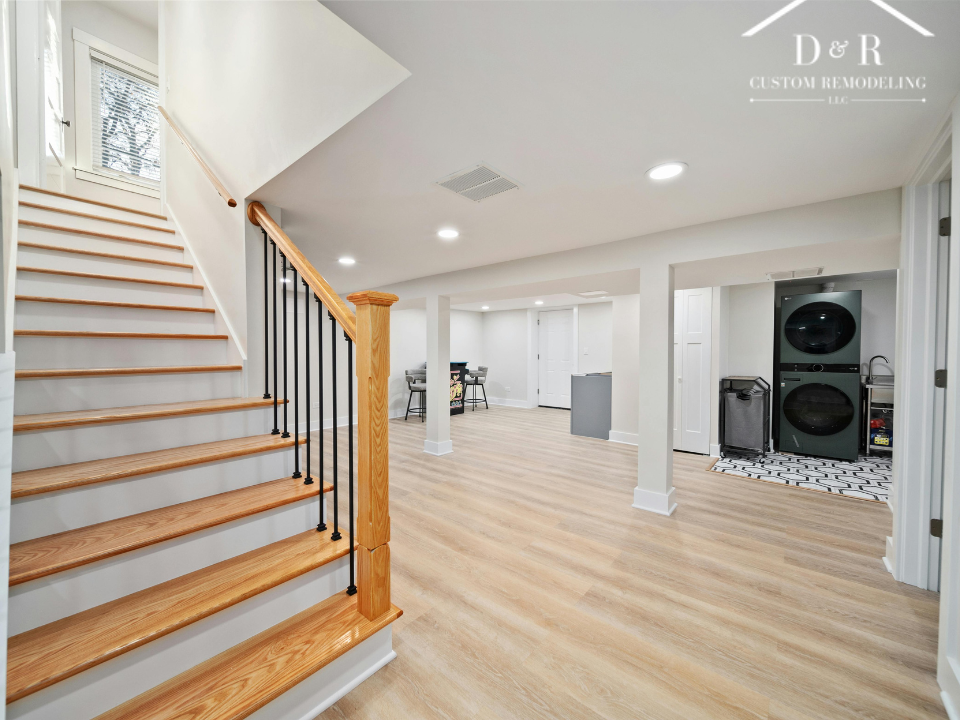
- Basement or Attic Conversions: Unfinished attics or basements are perfect spaces to convert into functional living areas. Whether you need a home office, guest room, or entertainment area, converting these spaces can add significant value to your home without adding to your footprint.
- Open Concept Layout: Consider removing walls between rooms to create an open-concept layout. This change can make a small space feel larger and more inviting, and it’s often more affordable than adding physical square footage.
- Outdoor Living Spaces: Austin’s pleasant weather means outdoor living spaces are a great addition to any home. Adding a deck, patio, or outdoor kitchen can expand your living area and increase your home’s functionality.
- Smart Storage Solutions: Built-in cabinets, shelving, and creative storage spaces are inexpensive ways to add functionality to your home. They’re perfect for keeping your space organized and clutter-free.
Creative and Budget-Friendly Alternatives
- Multifunctional Furniture: Opt for furniture that serves dual purposes, like a fold-out bed or a coffee table with hidden storage.
- Sliding Barn Doors: These stylish doors not only add character to your home but also save space by eliminating the need for traditional swinging doors.
How to Prioritize Additions Based on Budget
Before diving into any additions, work with your contractor to identify areas that will provide the most value. Focusing on high-impact spaces like the kitchen or living room can deliver the greatest return on investment without stretching your budget.
Final Thoughts and Key Takeaways
A whole-house renovation in Austin can take anywhere from 6 months to a year, depending on the scope of the project. By adding energy-efficient upgrades and considering cost-effective home additions, you can increase your home’s value, comfort, and sustainability while staying within your budget. Be sure to partner with a trusted, experienced contractor who understands the specifics of Austin’s building codes and renovation practices.
Ready to Make Your Renovation Dreams Come True?
If you’re planning a whole-house renovation in Austin, contact us today for a free consultation! Let’s bring your vision to life and transform your home into the space you’ve always dreamed of.
Frequently Asked Questions:
1. How long does a whole-house renovation typically take in Austin? Timeline depends on project scope: minor remodels (kitchens/baths) take 3–6 months, while major structural renovations or full-house overhauls typically range from 9–18 months.
2. What factors can delay my renovation timeline? Key factors include the size of the home, the condition of the property (especially in older homes requiring structural repairs), and the time needed to secure local Austin building permits.
3. How can I lower my cooling costs during an Austin remodel? Incorporate energy-efficient upgrades such as Low-E glass windows, high-SEER HVAC systems, and improved attic insulation. These help regulate indoor temperatures against the Texas heat.
4. Are there financial incentives for energy-efficient upgrades in Austin? Yes. Austin Energy offers various rebates and incentives for homeowners who install solar panels, energy-efficient HVAC systems, or other sustainable upgrades, helping to offset initial costs.
5. What are the most cost-effective ways to add space to my home? Instead of major extensions, consider attic or basement conversions, creating an open-concept layout by removing non-load-bearing walls, or enhancing outdoor living spaces like decks and patios.