
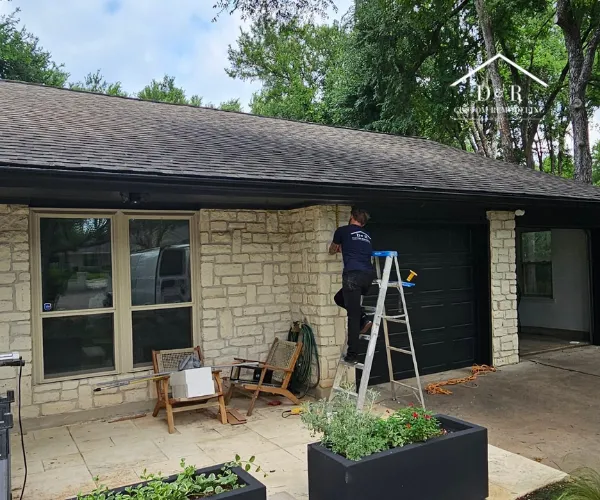
To sequence a full-home remodel effectively and avoid the catastrophic expense of structural rework, you must prioritize the “envelope and skeleton” of the property above all else. This means addressing the foundation, roofing, and load-bearing framing before a single internal system is updated or a cosmetic finish is applied. This logical progression is not merely a preference but a mechanical necessity; it ensures that high-value finishing trades, such as custom cabinetry, intricate drywall work, and hardwood flooring, are not compromised later by moisture intrusion or the inevitable shifts that occur when a home’s primary structure is altered.
By adhering to a strict, professional order of operations, beginning with surgical demolition, moving into structural stabilization, progressing through mechanical rough-ins, and concluding with aesthetic finishes, homeowners create a stable environment for their investment. When you secure the home’s integrity first, you eliminate the “rework trap” where finished walls must be torn open to fix a foundational oversight. This strategic approach replaces the chaos of typical construction with a predictable flow, ensuring the long-term stability of the home and the preservation of the project’s budget.
Establishing the Foundation for Success
The biggest mistake homeowners make is choosing aesthetics over infrastructure. If you install high-end Italian marble in a kitchen before ensuring the foundation is level, you risk seeing those expensive slabs crack within months. Sequencing is about creating a stable environment where every subsequent layer of work is supported by the one beneath it.
When we approach home remodeling in Austin, we begin with an exhaustive structural audit. This involves checking the slab or pier-and-beam integrity and the roof’s current state. If the “lid” of the house leaks, everything you do inside is at risk. Therefore, the sequence must always be:
- Foundational and Roof Integrity: Secure the exterior shell.
- Structural Framing: Move or reinforce load-bearing walls.
- Mechanical, Electrical, and Plumbing (MEP) Rough-ins: Run lines while walls are open.
The D & R Custom Remodeling Methodology: Our Proprietary Pillars
At D & R Custom Remodeling, we believe that true craftsmanship is defined as much by the preparation as it is by the final result; we don’t just swing hammers or rush into a site without a clear objective. Instead, we follow a refined, systematic process built on a foundation of years of family-owned experience and a deep-seated commitment to architectural integrity. We understand that the most common frustration in the industry is the “rework trap,” the costly and time-consuming need to fix errors that should have been prevented. To avoid this, we integrate four specific pillars into every project sequence, ensuring that each phase of construction flows logically and seamlessly into the next, protecting your investment and guaranteeing a flawless finish.
- Expertise and Experience
True expertise means knowing what hides behind the drywall before it’s even removed. Our team brings decades of local knowledge to every site. During a recent audit for a client in Kyle, we identified a hidden plumbing venting issue that would have required tearing out a newly installed backsplash had it not been caught during the rough-in phase. This foresight is what prevents the budget-draining “oops” moments that plague less experienced crews.
- Customized Designs
A remodel should reflect your life, not a template. We treat every home as a unique puzzle. Our customized designs aren’t just about paint colors; they are technical blueprints that account for the specific load-bearing requirements of your home’s architecture. By designing with structural reality in mind, we ensure that your open-concept dream doesn’t result in a sagging ceiling three years down the road.
- Quality Craftsmanship
Craftsmanship is the difference between a house that looks good in photos and a house that feels solid in person. In the context of sequencing, this means taking the time to ensure framing is perfectly plumb and level. We believe in quality without compromise; if a stud isn’t straight, we replace it. This attention to detail during the “ugly” phases of a remodel makes the “pretty” phases, like cabinetry and trim, look flawless.
- Transparent Communication
We know that a full-home remodel can feel overwhelming. That’s why we emphasize transparent communication. You will never be in the dark about why we are waiting for an inspection or why the electrical must be finished before the insulation goes in. We treat you like family, providing regular updates so you feel confident and excited rather than stressed.
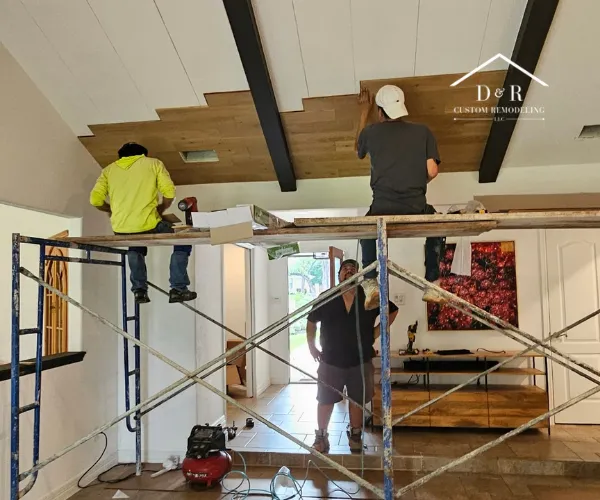
Avoiding the “Backwards” Remodel: A Step-by-Step Guide
Phase 1: Demolition and Structural Correction
Effective demolition should be a work of surgical precision rather than chaotic destruction, serving as the necessary clearing of the path to address a structure’s “bones.” For anyone embarking on home remodeling in Austin, TX, this phase is particularly critical due to the region’s notoriously expansive clay soil, which frequently causes significant foundation shifting and structural settling. We prioritize expert leveling and corrective framing immediately after the site is cleared, neutralizing these environmental factors to establish a perfectly “square” canvas. By ensuring the underlying skeleton is plumb and true at the outset, we guarantee that every finish, from custom cabinetry to intricate tile work, is installed with a level of accuracy that stands the test of time.
Phase 2: The “Hidden” Systems (MEP)
This is the most critical phase for avoiding rework. This is when the plumbing, electrical, and HVAC systems are installed.
- Plumbing: Moving drains or supply lines.
- Electrical: Wiring for smart homes, lighting, and appliances.
- HVAC: Ensuring ductwork is optimized for the new layout.
Doing this properly requires a “one and done” mentality. For instance, when working on a project in Lockhart, we ensured all gas lines were pressure-tested twice before the drywall teams arrived. This prevented the need to cut into finished walls later to address a minor leak.
Phase 3: Closing the Walls and Subfloors
Once the city inspectors sign off on the rough-ins, we move to insulation and drywall. This is where the house starts to feel like a home again. Following this, we prep the subfloors. Austin home remodeling often involves transitioning between different flooring types, so ensuring a level subfloor across the entire footprint is essential for a seamless look.
Phase 4: Finish Carpentry and Cabinetry
Once the walls are closed and the floors are meticulously prepped, the transformation moves into its most detailed phase: the installation of the “jewelry” of the home. This stage encompasses the fine architectural millwork, such as elegant baseboards, ornate crown molding, and bespoke custom cabinetry that defines the character and sophistication of the interior. Because we dedicated the necessary time to securing and squaring the structural framing during Phase 1, these high-end finishes integrate seamlessly with the structure. By ensuring the “bones” were plumb and true from the start, we eliminate the need for excessive shimming, heavy caulking, or awkward adjustments, resulting in crisp, clean lines and a level of craftsmanship that is as durable as it is beautiful.
Why Sequencing Matters for Your Budget
Rework is the primary cause of budget overruns in the construction industry. When a contractor has to go backward, for example, removing tile to fix a pipe that was missed, you pay for the labor twice and the materials twice. By sticking to a professional sequence, we maintain integrity and ensure that your investment is handled with the same care as if it were our own home.
Whether you are looking for a home remodeling in Austin, Texas, for a historic bungalow or a modern suburban estate in Lakeway, the laws of physics and construction remain the same. A logical flow saves time, reduces stress, and produces a superior result.
People Also Ask
What is the first thing to do when remodeling a house? The first step is always a thorough inspection and a detailed design plan. Once the plan is set, demolition begins, followed immediately by structural repairs to the foundation, roof, and framing.
Should I do flooring or cabinets first? In a full-home remodel, it is generally recommended to install the cabinets first, followed by the flooring. This protects expensive flooring from damage during cabinet installation and allows for easier floor replacement in the future without disturbing the cabinetry.
How long does a full-home remodel typically take? A comprehensive remodel can take anywhere from 4 to 9 months, depending on the scale and complexity. Factors like structural changes, permit approvals, and material lead times significantly impact the schedule.
Why is sequencing important in construction? Sequencing ensures that each phase of the build protects and supports the next. Proper order prevents “rework,” where finished surfaces must be destroyed to access internal systems like plumbing or wiring.
Start Your Journey with D & R Custom Remodeling
Are you ready to transform your house into the home of your dreams? At D & R Custom Remodeling, we are more than just contractors; we are your partners in this journey. We understand the “remodeler’s anxiety” and are here to replace it with trust and relief. As a family-owned business, we pride ourselves on our direct owner involvement and our one-year craftsmanship warranty.
We invite you to experience a remodeling process defined by integrity, attention to detail, and a warm, professional touch. Let’s build something beautiful together.
Take the first step toward a stress-free transformation. Schedule Your Free Consultation & Estimate Here!