
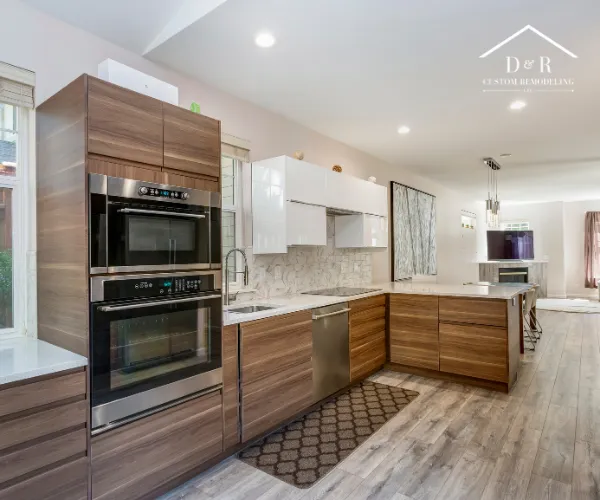
Choosing between organic modern and minimalist styles for a house remodeling project depends on whether you prefer raw, natural textures or pristine, monochromatic simplicity. While organic modern design incorporates warm wooden elements, soft textiles, and curvilinear earthiness to build an inviting atmosphere, minimalism emphasizes stark geometric lines, hidden storage, and a strict constraint of visual clutter to achieve ultimate structural clarity. Both design philosophies maximize natural light and open spatial layouts, yet they diverge fundamentally in their tactile execution, color warmth, and overall emotional resonance within the home.
Core Characteristics: Architectural Layouts Compared
Evaluating these aesthetics requires looking at how they treat space, geometry, and materials during a structural overhaul. Below is a direct comparison matrix of how both concepts manifest across essential residential touchpoints:
Aesthetic Comparison Matrix
| Design Element | Minimalist Framework | Organic Modern Framework |
| Color Palette | Monochromatic, stark whites, deep blacks, cool architectural grays. | Warm ivory, cream, soft desert tones, earthy ochre, muted greens. |
| Primary Materials | Polished concrete, stainless steel, smooth glass, lacquered acrylics. | White oak, travertine, unlacquered brass, limestone, linen, rattan. |
| Cabinetry Design | Slab doors, push-to-open mechanisms, completely integrated appliances. | Slim-shaker or flat-grain wood panels, soft iron or brass hardware. |
| Geometric Lines | Strict 90-degree angles, continuous linear planes, crisp rectangular grids. | Softened edges, organic curves, arched thresholds, fluid silhouettes. |
| Textile Philosophy | Sparse usage; flat-weave industrial fabrics, leather, minimal drapes. | Layered bouclé, heavy linen drapes, nubby wool rugs, woven grasses. |
When executing a house remodeling in Austin, TX, balancing these elements against the local climate is a key step. During a recent design consultation for a residence near the historic town square in Georgetown, our team reviewed how intense local sunlight impacts interior selections. A purely minimalist kitchen with high-gloss white cabinetry can create an uncomfortable glare under intense sunrays. Conversely, the textured stones and matte finishes of an organic modern palette diffuse that natural illumination beautifully, creating a soothing, glowing interior environment throughout the long summer months.
Understanding Minimalism vs. Organic Modern Warmth
Minimalism operates on a strict mandate: “less is more”. In a minimalist project, every architectural element must serve a functional purpose; if it does not contribute utility, it is eliminated. This design school relies heavily on flat, seamless surfaces, concealed hardware, handle-less cabinetry, and monochromatic tones. The primary challenge of executing this style successfully is avoiding an environment that feels sterile or clinical for a family setting.
Organic modern style emerged as a direct, warm response to the perceived coldness of extreme minimalism. It honors clean lines and open layouts but weaves in the restorative properties of nature. Rather than restricting texture, organic modern aesthetics celebrate the variations found in raw wood grain, hand-applied plaster, natural stone, and linen textiles. Walls are often treated with Roman clay or lime wash rather than standard flat paint, providing an understated depth that responds dynamically to changing lighting conditions.
Our Proprietary Renovation Methodology
Bringing these intricate architectural styles to life requires an approach that goes far beyond generic contracting. We have meticulously developed a proprietary methodology centered around four core pillars designed to eliminate the anxiety typically associated with structural renovations:
The Four Pillars of Project Success
- Expertise and Experience: With decades of specialized residential remodeling under our belts, we understand the technical nuances of both geometric minimalist construction and complex organic plaster applications. Our seasoned professionals anticipate structural challenges before they arise, ensuring your home’s foundational integrity matches its cosmetic elegance.
- Customized Designs: We do not offer cookie-cutter, pre-fabricated options. Every floor plan, cabinetry run, and material specification sheet we generate is drawn completely from scratch, custom-tailored to fit your daily lifestyle, storage patterns, and aesthetic aspirations.
- Quality Craftsmanship: A minimalist hidden door or a flawless organic archway requires an uncompromising level of precision. Our master carpenters, stonemasons, and trade partners execute every joint, tile layout, and millwork detail with fanatical attention to detail, backed by our comprehensive one-year craftsmanship warranty.
- Transparent Communication: We remove stress by keeping you entirely informed. Through regular schedule updates, clear budget tracking, and direct owner involvement on every single project, you will always know exactly what to expect, when to expect it, and how your investment is being stewarded.
How-to Choose the Best Style for Your Lifestyle
If you are struggling to choose the exact design direction for your upcoming project, following a structured process can help narrow your decision. Here is a practical roadmap to determine which path best matches your structural goals:
Step 1: Audit Your Daily Household Habits
Examine how your family handles visual clutter on a daily basis. If unfiled paperwork or items left on countertops stress you out and you have the discipline to put things away immediately, minimalism is an excellent match. If your household includes active children, pets, or a love for frequent, informal entertaining, an organic modern framework offers significantly more practical flexibility, as textured stone flooring and wood grains are exceptionally forgiving when it comes to daily wear.
Step 2: Evaluate Your Neighborhood Architecture
Selecting the right partner is critical when searching for elite home remodelers in Austin, TX. Homeowners require a team that respects the architecture of the region while introducing contemporary interior systems. Integrating regional materials, such as native Texas limestone or hand-crafted regional woodwork, ensures that your organic modern or minimalist design feels deeply rooted in its environment rather than isolated from it.
Step 3: Assess the Spatial Flow and Natural Light
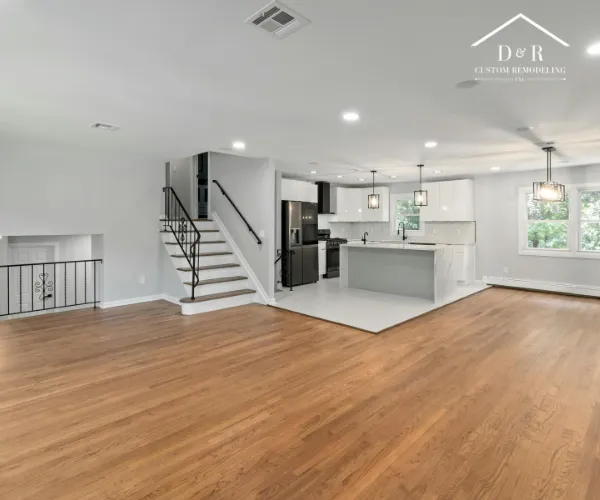
During an extensive Austin home remodeling project, achieving proper spatial flow often involves removing non-load-bearing walls to connect the kitchen, dining, and main living areas into a unified great room. Large windows, steel-framed doors, and skylights are utilized to draw daylight deep into the floor plan. In a minimalist layout, light bounces off smooth, white, reflective surfaces to magnify the feeling of vastness. In an organic modern layout, daylight catches the texture of woven window shades and plays across plaster walls, creating a soft warmth.
People Also Ask
Can you blend organic modern and minimalist styles in a single house remodeling project?
Yes, combining these two styles creates a highly popular sub-genre often referred to as warm minimalism. This hybrid approach utilizes the strict, clutter-free layouts and concealed storage solutions of minimalism while introducing the soft creams, natural light oak tones, and tactile linens characteristic of the organic modern aesthetic to ensure the home feels welcoming.
Which design style is generally more expensive to execute during a home renovation?
Minimalism can unexpectedly be more costly due to the extreme precision required for hidden construction details. Without decorative trim, baseboards, or crown molding to hide natural structural shifts, drywallers and finish carpenters must deliver completely flawless, laser-straight lines, which requires significantly more labor and specialized expertise.
How do I transition my current traditional home layout into an organic modern style?
The transition begins by simplifying your existing architectural profile, which involves removing ornate moldings and painting heavy, dark cabinetry with warm, earthy cream tones. From there, replace synthetic textiles with natural fibers like linen and jute, introduce unlacquered brass hardware, and install wide-plank wood flooring to instantly establish a grounded, natural foundation.
Transform Your Home with Confidence
Your living space should be a direct reflection of your unique style, built to the highest standards of structural integrity and beauty. Whether you are drawn to the pristine lines of high-end minimalism or the inviting warmth of an organic modern sanctuary, our family-owned team is dedicated to guiding you through a stress-free, deeply rewarding renovation journey.
At D & R Custom Remodeling, we believe in quality without compromise, open and honest communication, and treating every project with the same care as if it were our own home. Integrity, attention to detail, and customer satisfaction guide every single decision we make. Let us replace uncertainty and stress with trust, relief, and inspiration as we bring your vision to life.
Take the first step toward transforming your space with absolute confidence. Contact us today for more information.